
2025 Car Maintenance: 10 Must Know Tire Maintenance Tips


Tires, being the only component in direct contact with the road, directly affect driving safety, driving experience, and vehicle costs. As the demand for vehicles increases in 2025, scientific tire maintenance is no longer an “optional” task but an “essential” practice to ensure vehicle performance. This article compiles the top 10 tire maintenance tips, covering everything from daily inspections to professional maintenance, ensuring your tires stay in top condition.

The Importance of Tire Maintenance
Ensuring Driving Safety
Proper tire maintenance keeps your tires in good condition, providing sufficient grip and control. When driving on slippery, icy, or complex roads, well-maintained tires help stabilize your vehicle, significantly reducing the risk of blowouts and other dangerous situations.
Saving Costs
Maintaining the correct tire pressure reduces rolling resistance, allowing the engine to drive the vehicle without excessive strain. This improves fuel efficiency and reduces fuel expenses. Regular maintenance also slows tire wear, preventing premature damage and costly tire replacements.
Improving Driving Experience and Environmental Impact
Well-maintained tires ensure a smoother and more comfortable ride. Additionally, better fuel efficiency reduces the vehicle's fuel consumption, which in turn lowers its environmental impact.
10 Car Tire Maintenance Tips
1. Maintain Proper Tire Pressure
- Inflate your tires according to the manufacturer’s recommended tire pressure, which can be found in your owner’s manual or on the sticker inside the driver’s side door. Most vehicles recommend a tire pressure between 28 to 36 PSI (pounds per square inch).
- Check tire pressure at least once a month, and be especially attentive when the weather changes. Underinflation can cause uneven wear and increased fuel consumption, while overinflation can lead to blowouts.
2. Regularly Inspect Tire Tread Condition
- Use a tread depth gauge or the “penny test” to check the tread depth, ensuring that it is at least 2/32 inches (1.6mm). Regular checks help detect wear early and prevent unsafe conditions such as hydroplaning and poor traction on slippery roads.
- Frequently inspect the tire surface for cuts, cracks, bulges, or punctures. If any of these issues are found, seek a professional inspection, as damaged tires can fail unexpectedly, compromising safety.
3. Replace Tires in a Timely Manner
- Tires generally need to be replaced after about 5 years as the rubber begins to harden and lose its elasticity.
- Replace tires if the mileage exceeds 25,000 to 50,000 miles.
4. Regular Tire Rotation
- It is generally recommended to rotate tires every 6,000 to 8,000 miles, moving them to different positions on the vehicle.
- Since front tires wear faster due to steering and engine weight, rotating tires helps ensure even wear and extends their lifespan.
5. Regular Tire Balancing and Alignment
- Balancing: When installing new tires or noticing vibrations in the steering wheel or seat, tire balancing is necessary to correct weight distribution between the tires and wheels. Perform this every 5,000-6,000 miles.
- Alignment: It’s recommended to check alignment every 2-3 years, or if your vehicle pulls to one side, the steering wheel is crooked, or there is uneven tire wear. Correct alignment ensures the wheels are parallel and perpendicular to the road, reducing wear and improving fuel efficiency and handling.
6. Avoid Overloading
Always load the vehicle according to the manufacturer’s specified load rating, and never exceed the recommended weight limit.
Overloading puts extra stress on tires, increasing the risk of blowouts and excessive wear, which negatively impacts tire life and driving safety.
7. Keep Tires Clean
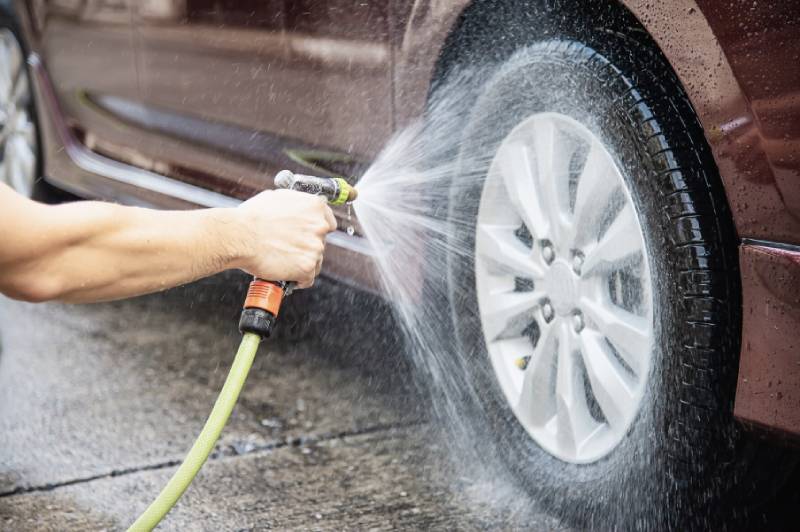
- Avoid exposure to chemicals that can corrode tire rubber during regular use.
- Cleaning tires helps prevent damage from stones, dirt, and other road debris. Combining this with other maintenance practices ensures the longevity of your tires.
8. Proper Tire Storage
- When parking, choose a shaded, dry location to keep tires from excessive sun exposure, which can accelerate aging. This also applies when storing unused tires.
- Store unused tires horizontally, preferably in a tire bag to protect them from dust and moisture, preventing rubber degradation and ensuring the tires remain in good condition for future use.
9. Change Tires Based on Climate
- In colder climates, switch to winter tires with deep tread patterns and soft rubber compounds for better grip on snow and ice. And in hot climates, opt for summer tires that are optimized for both dry and wet surfaces.
- In temperate climates, all-season tires are suitable, but for extreme weather conditions, consider switching to season-specific tires to ensure optimal performance and safety in all conditions.
10. Develop Good Driving Habits
- Avoid sudden braking, sharp turns, and aggressive driving. Accelerate smoothly and maintain a moderate speed when cornering.
- Gentle driving reduces tire wear and helps extend tire life. This is also one of the tire maintenance essential tips.
Tips for Replacing New Tires
Match Specifications
New tires should match the original specifications (such as width, aspect ratio, rim diameter, e.g., 225/50 R17), load index, and speed rating as per the vehicle’s requirements (refer to the owner’s manual or the label inside the door frame). This ensures proper handling and safety.
Choose the Right Type for Your Driving Conditions
For cold, snowy areas, choose winter tires with deep tread patterns and soft rubber compounds for better grip on snow and ice; for hot, rainy areas, select summer tires optimized for handling on both dry and wet surfaces; in temperate climates, consider all-season tires, but for extreme conditions, opt for seasonal tires to ensure safety and performance.
Focus on Brand and Quality
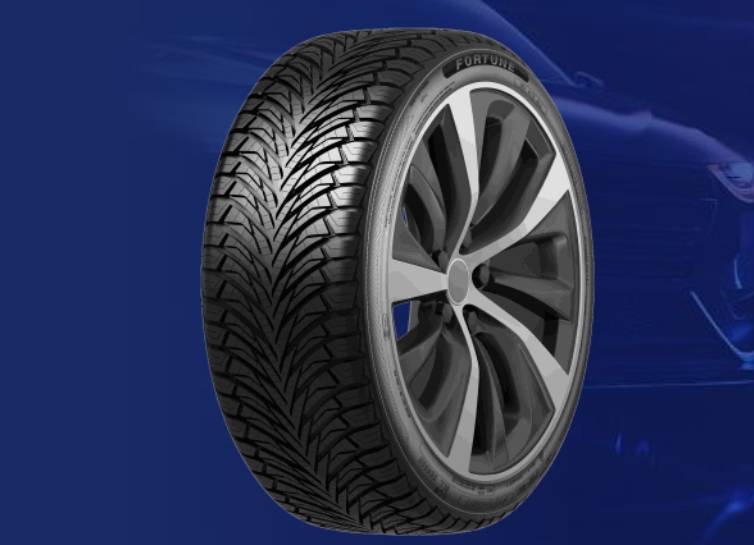
Choose reliable, reputable tire brands, such as FORTUNE Tires, known for their high safety standards (e.g., grip, puncture resistance) and quality stability (durability, quality control). Such brands provide excellent after-sales support and reduce the cost of tire replacements due to their high performance and quality assurance.

Prioritize Replacing Tires on the Same Axle
If replacing only two tires, they should be installed on the drive axle (front-wheel drive tires on the front, rear-wheel drive tires on the rear). Ensure the tires on the same axle are from the same brand, with the same tread pattern and wear level to avoid uneven traction, which can lead to vehicle instability or poor handling.
Tire Balancing and Alignment
New tires must be balanced to avoid vibrations during driving caused by uneven weight distribution. If necessary, perform a full wheel alignment to ensure the tires wear evenly and avoid premature wear. Proper alignment improves tire life and vehicle handling.
Conclusion
Tire maintenance may seem like a “small detail” in vehicle upkeep, but it directly impacts the safety and cost of every journey. By mastering these top 10 tire maintenance tips—from regular checks and professional maintenance to timely replacements—you can keep your tires in optimal condition. Not only will this extend their lifespan and save you money, but it will also build a solid safety foundation for every trip.
FAQs
What Are the Tire Maintenance Tips?
Tire maintenance essential tips include:
- Maintaining proper tire pressure (check monthly)
- Regularly inspecting tread depth and any damage
- Rotating tires every 6,000–8,000 miles
- Performing alignment and balancing on schedule
- Avoiding vehicle overloading
- Cleaning tires promptly when dirty
- Replacing tires according to climate and service life
Developing smooth driving habits in daily use also helps reduce tire wear.
What Is the Significance of Tire Maintenance?
- Ensures driving safety by reducing risks of blowouts and skidding
- Extends tire lifespan and lowers replacement costs
- Optimizes fuel efficiency through correct pressure and wear management, saving on fuel expenses
- Improves ride smoothness and comfort
What Is the Recommended Method for Maintaining Safe Tires?
Adopt a full “Inspect – Maintain – Replace” workflow:
1. Regularly inspect tire pressure and tread condition, and perform rotations, alignments, and balancing as specified.
2. Avoid overloading and exposure to corrosive substances.
3. When tires reach their service life (around five years) or mileage (25,000–50,000 miles), or show signs of aging or severe wear, replace them promptly with properly matched, reputable-brand tires.