
2025 Vehicle Service Checklist: Essential Maintenance for a Safe Drive


Have you ever experienced a sudden flat tire on the highway or found your car unable to start on a cold winter morning? These seemingly unexpected failures are often closely related to neglecting daily maintenance. For car owners, vehicle maintenance is not an optional extra expense, but a necessary task to keep your car in the best condition. A clear vehicle service checklist is the key to ensuring this maintenance is done efficiently, helping you avoid over-maintenance while ensuring safety.
Oil and Filter Maintenance
- Oil
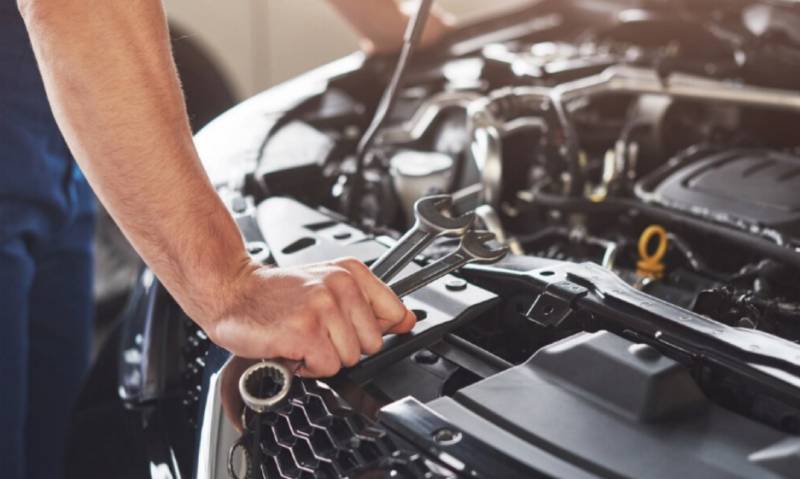
The engine oil in your car serves multiple vital roles. It lubricates the moving parts, seals the engine, prevents debris from entering, cools the engine, reduces wear on the components, and helps prevent corrosion. Therefore, keeping the oil clean is crucial for the health of the engine.
You should replace the oil according to the manufacturer's recommendation, with some vehicles suggesting a replacement interval ranging from every 3 months to a year, or every 3,000 to 15,000 miles, using fully synthetic oil for better durability.
- Filters
When changing the oil, remember to also replace the oil filter to prevent contaminants from causing wear.
The air filter should be replaced every two years or 30,000 miles. However, the frequency depends on your driving habits and vehicle condition. It’s recommended to check the air filter every 12,000 miles or during oil changes.
The cabin air filter should be replaced every 12,000 miles or 12 months, as it directly impacts air quality inside the vehicle.
Tire Maintenance Schedule
- Check Tire Pressure
Check tire pressure every 2-4 weeks. If the pressure is too high, the contact area with the ground shrinks, reducing traction and causing faster wear on the tire crown. It also worsens the ride comfort and increases the risk of tire blowouts. If the pressure is too low, the sidewalls wear faster, rolling resistance increases, fuel efficiency decreases, and the tire can easily become deformed and damaged, impacting safety and handling.
- Tread Depth
The tread pattern is essential for tire traction, especially in rainy or snowy weather, providing key traction for the vehicle. Once the tread depth is worn down to 2/32 inches, it must be replaced immediately. It is recommended to check monthly, paying attention to uneven wear, bumps, or areas that are unusually smooth, and other signs of damage.
- Tire Rotation
Follow the car owner’s manual for tire rotation guidelines to avoid uneven wear. If the manual doesn’t specify a schedule, the U.S. Tire Manufacturers Association (USTMA) recommends rotating tires every 5,000 to 8,000 miles. After rotating the tires, remember to adjust the tire pressure to the manufacturer’s recommended level.
- Tire Alignment
When your vehicle hits potholes or other road hazards, the alignment may be affected. Misalignment leads to uneven and faster wear on the tires. In such cases, contact a tire dealer for correction to avoid safety issues.
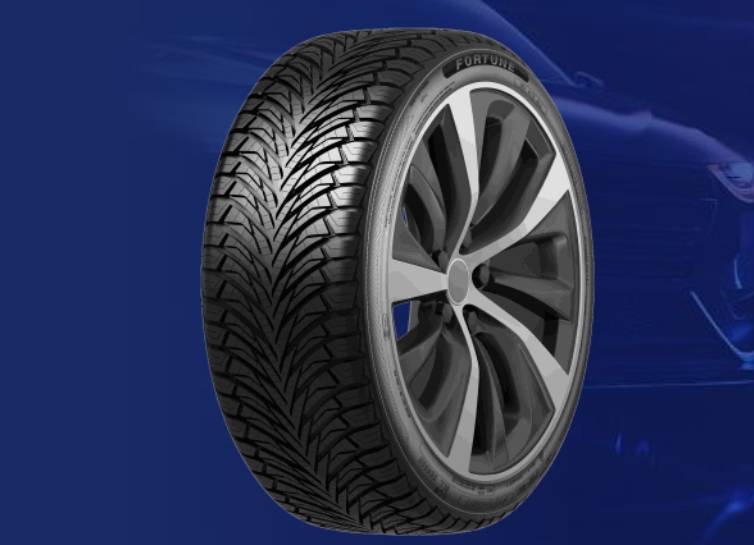
After following the tire inspection checklist, if you find that your tires need replacement, consider FORTUNE Tires, which offers a full range of high-quality tires and services. Their tires are suitable for passenger cars, SUVs, 4X4 vehicles, commercial vans, trucks, and buses, meeting different road and weather conditions.
Brake System Maintenance
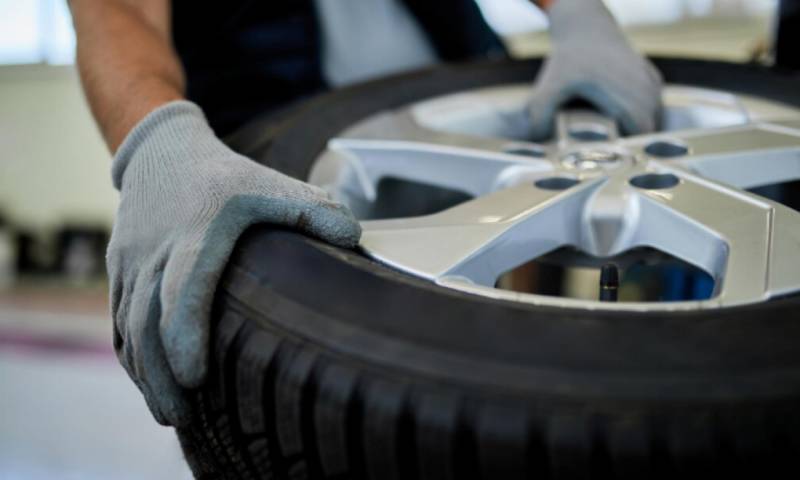
Regular brake system maintenance is key to ensuring the safety and efficiency of stopping the vehicle. Here are some practical tips to make every braking action more reliable:
- Check Brake Pads and Rotors
Regularly check the thickness of the brake pads. When the thickness is less than 1/8 inch, they should be replaced promptly to avoid damage to the brake rotors due to metal-on-metal friction. Check the condition of the rotors for warping, grooves, or cracks, and repair or replace them as soon as possible. Failing to do so could cause brake vibrations and reduce braking power.
- Brake Fluid Maintenance
Brake fluid is the core medium that transmits braking force, but it absorbs moisture over time, lowering its boiling point and effectiveness. Regularly check the fluid level and quality. If the fluid is dark or cloudy, replace it immediately to ensure sensitive brake response.
- Regular Professional Inspections
It’s recommended to have a comprehensive brake system inspection at least once a year. A professional technician can check brake line sealing, braking pressure, and other details using instruments to identify potential issues and ensure the system’s overall performance meets safety standards.
- Be Aware of Abnormal Sounds
If you hear squealing, screeching, or frictional noises when pressing the brake pedal, it’s often a sign that the brake pads are worn out or components are stuck. Promptly addressing these issues can prevent small problems from becoming major brake failures and save repair costs.
- Monitor Brake Performance
If the brake pedal feels soft, has a long travel, or the vehicle pulls to one side during braking, stop and inspect immediately. These signs could indicate issues like brake fluid leaks or uneven brake pad wear. Do not delay.
- Maintain Brake Hardware
If the calipers or guide pins are rusted or stuck, they can cause uneven force on the brake pads, leading to faster wear. Regularly clean and apply specialized lubricant to ensure the parts move smoothly, extending the overall brake system’s life.
Cooling System Maintenance
The cooling system is the “temperature control center” of the engine. Its main function is to release excess heat generated by the engine, preventing component deformation, piston damage, or even engine seizure due to overheating. Proper daily maintenance ensures that the cooling system always functions efficiently.
- Check Coolant Levels Regularly: Check the coolant level every 3-6 months or as part of seasonal maintenance to ensure enough coolant. When topping up, use a 50% coolant concentrate mixed with 50% water, never pure concentrate, as it could damage the engine.
- Inspect System Components and Coolant Condition: Each time you check the coolant level, also inspect visible parts of the cooling system, such as belts, water pumps, and hoses, for looseness, cracks, or wear. Check if there are any leaks at the connections. If any abnormalities are found, replace the components or seek professional repair. Observe if the coolant has impurities, sediment, or rust, and if so, perform a “flush and replace” to thoroughly drain the old fluid and add new coolant.
Conclusion
By following the 2025 vehicle service checklist, you can maintain your car in excellent condition from the oil and filters to the tires, brakes, and cooling system. Regularly following this checklist helps detect potential issues early, prevents small faults from escalating into big problems, and reduces unnecessary expenses, making your driving experience safer and more comfortable. This checklist serves as a practical guide for car maintenance, helping you worry less and drive with peace of mind.
FAQs
How long is the lifespan of tires?
Typically, tires should be inspected for remaining tread life every 5,000 to 8,000 miles. Well-maintained tires with accurate alignment can last between 30,000 to 80,000 miles, though the average mileage for most passenger car tires is around 50,000 miles.
Should all four tires be replaced at the same time?
Whether all four tires need to be replaced at the same time depends on the situation:
If only one tire is damaged and the others are still usable, you can replace it with a tire of the same specification.
If the tires have reached their lifespan or mileage, it’s recommended to replace all four at the same time. Alternatively, you can replace two tires and place them on the same axle.
If possible, replace all four tires to ensure consistent traction.
If replacing only two tires, replace the heavily worn ones with the new tires on the front axle, and place the tires with better tread on the rear. The remaining tires can serve as spares. Always replace tires with the same brand and model to avoid alignment issues or skidding.
Should all four tires have the same tire pressure?
The tire pressure of all four tires does not necessarily need to be exactly the same, as this depends on the vehicle design and load. Some vehicles may have different tire pressure standards for the front and rear axles due to load and function differences. When fully loaded, to ensure proper load-bearing and stability, the rear tire pressure may be higher than when the vehicle is unloaded. The pressure difference between tires on the same axle should be small. For specific tire pressure settings, refer to the vehicle manual or the markings on the vehicle.