
2025 Expert Tips: Selecting the Best Selling Tires for SUVs


Thanks to their flexible and spacious layout, excellent passability in complex road conditions, and wide range of applicable scenarios, SUVs have become an increasingly popular choice for many families. However, many car owners often feel confused when choosing SUV tires: Are SUV tires the same as passenger car tires? What types of SUV tires are there? How should you choose the best-selling tires for SUV? In this article, we’ll answer these common questions to help SUV owners make better-informed decisions.
What Are the Differences Between SUV Tires and Sedan Tires?
- Tread Design: SUVs typically have a higher body and require deeper treads to provide better traction and grip. In contrast, passenger car tires usually have shallower treads to reduce rolling resistance and improve fuel efficiency.
- Sidewall Strength: SUV tires typically have stronger sidewalls to withstand more weight, offering better resistance to impact and lateral forces.
- Load Index: SUV tires usually have a higher load index because SUVs need to carry more weight.
- Speed Rating: Although SUV and passenger car tires can have the same speed rating, SUV tires focus more on off-road performance and grip, while passenger car tires are designed for high-speed driving.
There are certain differences between SUV tires and passenger car tires, so to maximize the performance of different vehicle types, you need to select the appropriate tires for each vehicle.
What Are the Types of SUV Tires?
Currently, common types of SUV tires can be classified into HT tires (highway tires), AT tires (all-terrain tires), and MT tires (mud-terrain tires), each with its own pros and cons.
- HT Tires (Highway Tires): These are road-type SUV tires, very similar to passenger car tires but designed with treads, load index, and speed ratings more suited to off-road vehicles.
The advantages of HT tires are their finer tread designs, which focus more on comfort. They have softer sidewalls that help reduce noise and offer better wear resistance. However, their drawback is that they provide weaker traction on unpaved roads and have lower off-road performance.
- AT Tires (All-Terrain Tires): These tires are more versatile and can handle various road conditions with balanced performance.
The advantages of AT tires are their larger tread designs and deeper grooves, with thicker and harder sidewalls that increase driving power and off-road capability. However, their performance on highways is slightly reduced, with longer braking distances, more noise, and a bumpier ride, which decreases comfort.
- MT Tires (Mud-Terrain Tires): These tires are specifically designed for off-roading, with aggressive treads, large blocks, deeper grooves, and harder construction.
The advantages of MT tires are excellent off-road capability, wear resistance, and safety. However, the downsides include poor comfort, weaker braking and steering performance, and more noticeable tire noise. Therefore, if off-roading is not required, these tires should be chosen cautiously.
In addition, there are specialized SUV tires—snow tires, which are designed for icy environments and low temperatures. They provide stronger grip and anti-slip properties, ensuring maximum performance of the vehicle in cold conditions. They are generally recommended for use in cold winter regions.
How to Choose the Best-Selling SUV Tires?
Determine the Tire Brand
If you are unsure about how to choose good tire brands for SUV, it’s recommended to opt for well-known major brands. These trusted brands have solid expertise in R&D, manufacturing processes, and quality control systems, ensuring better tire durability, grip, and resistance to blowouts. Their after-sales service networks are also well-developed, which lowers the risk of usage and provides more reliable safety and driving experience. For instance, FORTUNE Tires is a good choice.
Determine Tire Specifications
Different tire specifications can affect the overall vehicle performance and comfort. Therefore, you must strictly follow the specifications of the original tires used by your SUV. You can find these specifications in the vehicle’s user manual or on the sidewall of the tire.
Determine Tire Performance
Different types of tires offer different driving experiences. For example, some tires offer excellent noise reduction and a more comfortable driving experience; others provide better handling; and some are known for their wear resistance and long lifespan. SUV owners should choose tires with the appropriate performance features based on their driving habits and environment.
So, what are some recommended SUV tires? Here are some tires from FORTUNE Tires to consider:
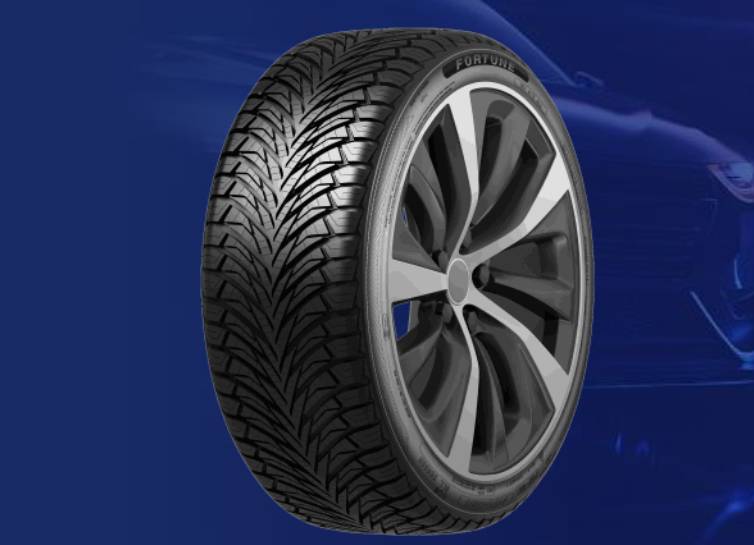
- FSR-401: This is an all-season tire suitable for SUVs that can provide reliable traction under all weather conditions. The tire features large lateral grooves and open shoulders that quickly disperse water and prevent snow accumulation. The unique V-shaped tread design and dense 3D grooves improve handling and grip when cornering.
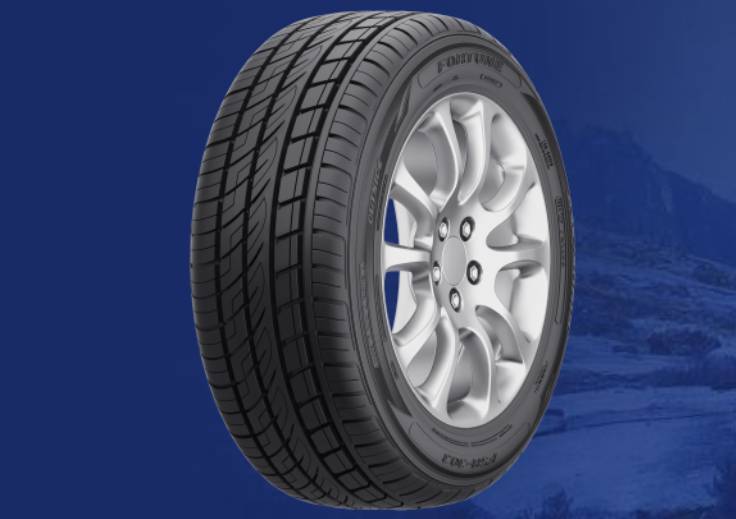
- FSR-303: This is an ultra-high-performance SUV tire, offering excellent grip and precise handling with its unique tread design. The asymmetrical tread pattern and large shoulder blocks enhance cornering stability and responsiveness. Four main grooves and wide side channels provide excellent drainage, and the multi-spacing design reduces road noise, significantly improving driving comfort.
Conclusion
In conclusion, selecting the best-selling tires for SUV requires an accurate match based on the vehicle’s purpose, driving environment, and personal preferences, in order to balance safety, comfort, and durability. It is recommended that owners use the original factory specifications as a benchmark and prioritize well-known brands that have been validated by the market. In daily use, it’s also essential to monitor tire pressure, rotate tires regularly, and check for wear to ensure that the tires are always in optimal condition—protecting your journey every step of the way.
FAQs
How to Check the Tire Manufacturing Date?
On the sidewall of the tire, you’ll find a four-digit number that indicates the production date. The first two digits represent the week, and the last two represent the year. For example, if the number is “0220,” it means the tire was manufactured in the 2nd week of 2020.
The shelf life of tire rubber is generally around 3 to 5 years. Beyond this period, the rubber and cords begin to degrade, steel belts may rust, and tiny cracks can appear on the surface, reducing the tire’s overall strength. Therefore, when purchasing tires, always check the production date and try to buy tires made in the same year or as close to the current year as possible.
What Should You Pay Attention to When Buying Tires?
- Replacing only one tire: The new tire must match the original one exactly.
- Replacing 2 or 4 tires: Ensure consistency in tire specifications between new and old. The load and speed ratings of the new tires should be equal to or higher than those of the old ones. (Note: Tires on the same axle must match left and right; for 4WD vehicles, all 4 tires should be identical.)
- Run-flat tires require dedicated rims: If your original tires are run-flats, you must not replace them with regular tires.
How Often Should SUV Tires Be Replaced?
- Based on time: Typically, the service life of a tire is around 5 to 6 years.
- Based on mileage: The average tire lifespan ranges from 25,000 to 50,000 miles.
- Based on tread wear: If the tread depth is less than 1.6 mm (2/32 inch), traction and water dispersal performance will drop significantly. In this case, tires must be replaced immediately.
- Based on damage: If you notice bulges, cracks, or sidewall damage—even if the tread is still deep—you must replace the tire immediately.
- Based on repair history: If a tire has been patched multiple times (generally more than 2–3 times), its structural integrity may be compromised. Safety risks increase, so it’s recommended to replace the tire as soon as possible.