
2025 Guide to the Quietest Tires Choose the Right Fit for a Peaceful Ride


When driving, the tires that make direct contact with the road are not only the foundation for safety and handling but also the key to creating a quiet, comfortable driving experience. Many drivers are often troubled by excessive tire noise. However, this issue is not without a solution. By understanding the sources of the noise, implementing the right noise-reduction measures, and equipping your car with the quietest tires, you can enjoy a peaceful and comfortable ride. Let’s dive into the details next.
Understand the Key Factors Affecting Tire Noise Before Choosing the Quietest Tires
There are many sources of noise during vehicle use, and tire noise accounts for a significant portion. However, it's important to note that annoying tire noise is not only related to the tire's material and design, but also closely linked to tire pressure, tread wear, road surface conditions, and driving speed.
(1) Tire Material and Design
Tread Compound: The softness or hardness of the rubber compound directly affects noise performance. Generally, softer rubber formulas focus on enhancing grip and traction but fall short in noise control. Harder rubber compounds help reduce rolling resistance, making tires quieter during movement. Some cheap tires, due to lower-quality rubber, often sacrifice quietness.
Tread Pattern Design: The tread pattern is a crucial factor in determining tire noise levels. If your car's tires feature large tread blocks with wide and deep grooves, the greater spacing between the tire and the road can lead to louder noise due to repeated air compression and ground impact.
(2) Other Common Factors Affecting Tire Noise
Tire Pressure: If the tire pressure isn't within the optimal range, you may still encounter noise issues even with the quietest tires installed. For example, underinflated tires deform more and create stronger friction with the road surface while rolling, which not only shortens tire life but also increases noise.
Tire Wear: Uneven tread wear can also lead to excessive noise. So even if you've equipped your car with the least noisy tires, it's crucial to monitor tire wear and rotate or align your tires every 4,000–6,000 miles to ensure even wear.
Road Conditions and Speed: The type of road surface and your driving speed will also affect tire noise. Compared to smooth asphalt or rubberized asphalt roads, driving over concrete, chip-seal, cobblestone, or gravel roads generally produces more noise. Additionally, higher speeds increase friction between the tire and the road, resulting in louder tire noise.
Be aware that if your tires contain foreign objects such as bolts, nails, or sharp debris, it may result in abnormal noise that needs to be dealt with promptly.
What Are Quiet Tires and Why Are They Quieter Than Regular Tires?
Tire noise is almost unavoidable, but it can be controlled within an acceptable range. Among all noise reduction strategies, replacing your tires with a trusted set of quietest tires can deliver immediate results. So why do quiet tires outperform regular ones in terms of noise reduction?
(1) Optimized Materials: Reduce Vibration Noise at the Source
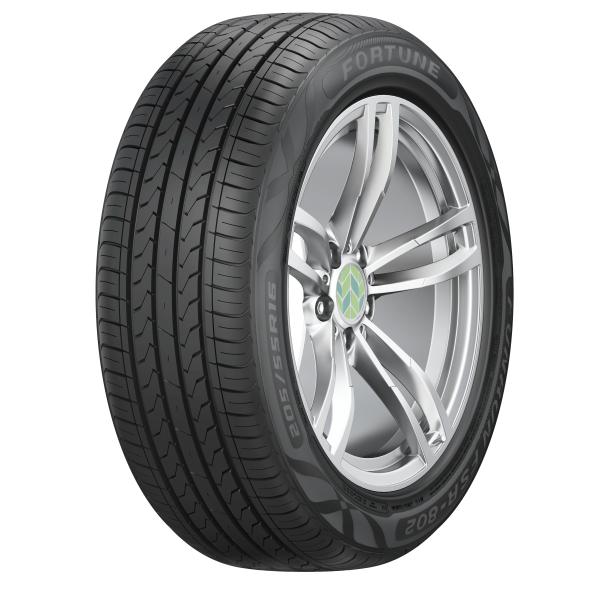
To minimize driving noise, quiet tires typically use specialized rubber compounds to enhance their noise-reducing properties. For example, the FSR-802 from FORTUNE Tires, a classic model in their passenger car lineup, features a revolutionary tread compound and nano-grade silica. This results in lower rolling resistance, reduced heat buildup, and minimized tire noise while driving.

(2) Sound-Absorbing Materials: Enhance Noise Absorption
In addition to optimized rubber, many high-end models that rank among the most quiet tires incorporate innovative sound-absorbing materials, such as special polyurethane foam. These materials, integrated into the tire structure, are designed to absorb vibration and noise, enhancing the overall performance of quiet tires.
(3) Optimized Tread Patterns: Reduce Air Disturbance and Resonance
The regularity, size, and structure of tread blocks significantly impact tire noise. Quiet tires experiment with different tread block arrangements and designs to minimize sound. For instance, closely arranged, varied tread blocks help reduce air turbulence and noise levels.
(4) Innovative Designs: Foam-Filled or Airless Tires
Beyond material and pattern upgrades, some alternative quietest tires explore new approaches—like using foam-filled rather than air-filled designs. These airless quiet tires effectively eliminate noise caused by air vibrations inside the tire.
What Are the Benefits of Installing the Quietest Tires?
Thanks to these innovations, quiet tires are far quieter than traditional models. And when you install your ideal quietest tires, the benefits go beyond just a peaceful and comfortable ride. Here's what else you may gain:
(1) Improved Focus and Reduced Fatigue
Excessive road noise can distract drivers and increase fatigue—especially on long trips, where constant tire noise can be a real burden. Installing quiet tires on your car can effectively solve this issue.
(2) Enhanced Handling and Driving Safety
Quiet tires often deliver both excellent noise reduction and superior handling, thanks to improved materials and tread designs.
For example, the previously mentioned FORTUNE Tires FSR-802, considered by many to be one of the quietest tires, maintains a noise level between 69dB–72dB. Its widened shoulder design enhances rigidity for a more comfortable ride, while also supporting performance driving. The high-resilience tread compound ensures better road contact, reducing road impact. Additionally, its optimized tread pattern improves wet surface grip.
(3) Multiple Environmental Benefits
Using quiet tires also brings environmental advantages. Especially for those high-end models considered quietest tires, they can reduce noise pollution that affects both humans and wildlife, offer smoother driving, and improve fuel efficiency—leading to lower carbon emissions.
Conclusion
During vehicle use, excessive tire noise can indeed be a headache. But by understanding the causes of tire noise and taking the proper intervention measures, a quiet and pleasant driving experience is within reach. In addition to replacing regular tires with quietest tires that offer excellent noise reduction and performance, you should also maintain your tires properly by regularly checking tire pressure, monitoring tread wear, and replacing old tires when necessary.
FAQs
Is it necessary to install quiet tires on a regular family car?
It depends. If you're driving a basic family vehicle with poor sound insulation, or often carry elderly passengers, children, or anyone sensitive to noise, it’s best to install quiet tires as early as possible. However, if tire noise doesn’t bother you much or you're more focused on other tire performance metrics, you can hold off on replacement.
How to choose the quietest car tires?
When selecting quiet tires, consider noise performance, wet traction, durability, and overall balance. Avoid tires that perform well in one area but poorly in others. When replacing old tires, make sure the new ones match the size and specifications of your original tires for compatibility. It's also a good idea to choose reputable brands like FORTUNE Tires to ensure quality and after-sales support.
How to make noisy tires quieter while driving?
To reduce tire noise while driving, start with good habits: control your speed, drive on smoother roads whenever possible, and avoid rough concrete or pothole-ridden surfaces. You can also use your car's audio system to mask some of the noise. Ultimately, the most effective solution is to switch to a set of quiet tires that reduce noise from the source.