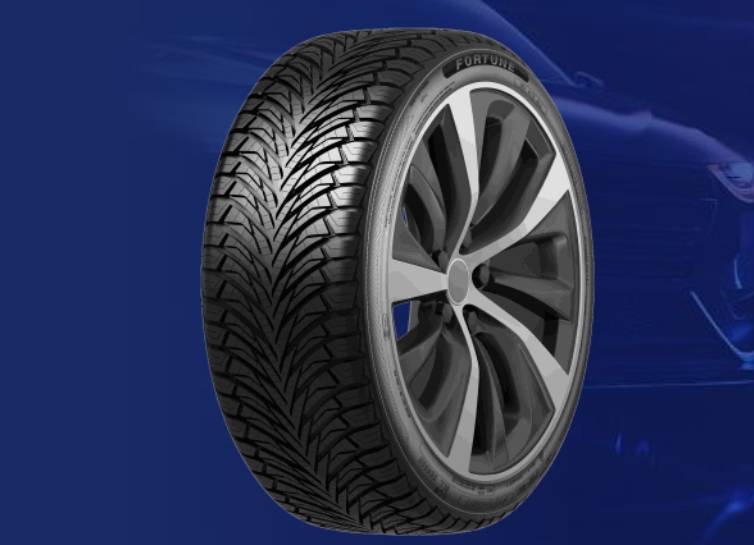

All Season Tires vs Winter Tires: A Quick & Clear Comparison Guide


Many car owners face a common dilemma: should they choose all season tires or winter tires? Since all season tires vs winter tires serve different purposes and offer different performance, choosing the wrong type not only wastes money but could also affect your driving experience and safety. That’s why it’s essential to understand the differences between the two. In the following sections, we’ll take a closer look at winter tires vs all season tires to help you make an informed decision based on your specific needs.
Features of All-Season Tires vs Winter Tires
All-Season Tires
All season tires are versatile options designed to meet year-round driving needs, especially in regions with mild climates and minimal snowfall. Their performance characteristics focus on balance:
Rubber Compound: These tires use a medium-hardness compound that offers good elasticity and durability at normal temperatures. However, in colder conditions, the rubber gradually hardens, reducing traction on snowy and icy surfaces.
Tread Design: Featuring relatively shallow grooves in symmetrical or asymmetrical patterns, all season tires can effectively channel water and reduce slippage. However, they lack aggressive biting edges and deep grooves, making them less suitable for heavy snow and icy conditions.
Usage Characteristics: No need for frequent seasonal swaps. These tires are ideal for daily commutes, urban driving, and light rain or snow scenarios.
Winter Tires
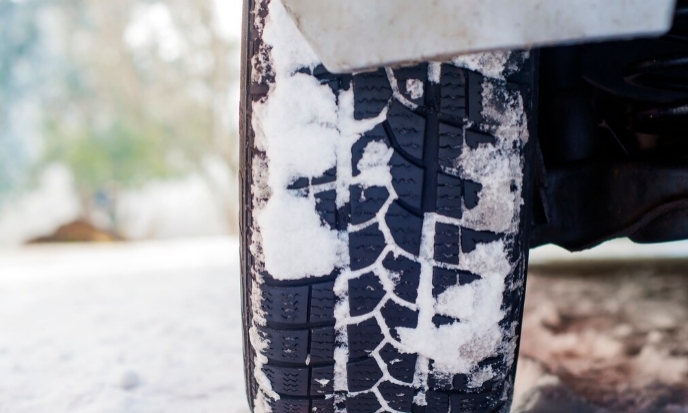
Winter tires, also known as snow tires, are engineered specifically for harsh winter conditions, including extreme cold, snow accumulation, and icy roads. Their advantages are evident in two key areas:
Rubber Compound: Designed with special formulations, winter tires remain soft and flexible in freezing temperatures. This prevents the loss of traction seen in regular tires that stiffen in the cold, ensuring better contact with slippery road surfaces.
Tread Design: Featuring deeper, jagged grooves and densely packed biting edges, their patterns—often directional or asymmetrical—slice through snow and ice while evacuating water and slush. This enhances both traction and braking performance in snow and icy conditions.
All Season Tire vs Winter Tires
Comparison Dimension | Winter Tires | All-Season Tires |
Road Performance | Provide excellent grip and handling on snowy and icy roads. Rubber remains soft and flexible in cold temperatures, and tread patterns efficiently expel snow to prevent slippage. | Offer balanced performance on dry and wet roads. However, rubber hardens in low temperatures, leading to significantly reduced traction on snow and ice. Tread design is not suitable for extreme winter conditions. |
Safety Performance | Special tread design reduces the risk of slipping. Maintain reliable grip on wet surfaces even in extreme cold, improving braking stability on snow and ice. | Provide basic safety in mild winter conditions, but may lose control on snowy/icy roads due to poor grip. Overall safety is lower in cold environments compared to winter tires. |
Cost | Higher upfront cost (including purchase, installation, and storage). Recommended for drivers with higher annual mileage (>20,000 km/year). Long-term value reflected in enhanced safety. | No seasonal changes required, resulting in lower overall costs. Ideal for drivers with under 10,000 km/year or living in warmer climates. Offers strong cost-performance value. |
Lifespan | Rubber compounds are optimized for cold weather and wear faster in warm conditions. Recommended for winter use only. Proper off-season storage can extend lifespan. | Made with multi-purpose compounds and tread designs. Even wear throughout the year and generally longer lifespan with regular maintenance. |
Recommended Winter Tires vs All-Season Tires
There are plenty of winter vs all season tires available on the market, and some great options come from FORTUNE Tires.
For winter tires, consider the POLARO Snow. Made with a high-performance polymer blend, it stays soft even under extreme cold, delivering improved grip. The central circumferential tread blocks enhance high-speed stability and handling. Zigzag sipes on the shoulder blocks increase block stiffness, resist irregular wear, and improve steering response.
Usage and Maintenance Tips
Maintain Good Driving Habits
Driving behavior significantly affects tire health. Avoid hard acceleration, sudden braking, and prolonged high-speed driving, as these actions impose extreme stress on tires, accelerating tread wear and shortening lifespan.
Keep Tires Clean
Before and after driving, inspect your tires for debris such as snow, rocks, or nails lodged in the tread. Promptly removing these objects helps maintain optimal grip and performance.
Regularly Check Tread Wear
Tread depth directly affects safety and performance. Check regularly, and if the tread approaches the wear indicator, replace the tire immediately to avoid loss of control.
Also, monitor for uneven wear. Signs of one-sided or localized wear could indicate wheel misalignment or suspension issues, which should be addressed by professionals to prevent further problems like poor handling or drifting.
Check Tire Pressure Regularly
Low pressure increases tire deformation, raising rolling resistance and fuel consumption while accelerating wear. Conversely, overinflated tires reduce road contact, compromising grip and stability. Most importantly, maintaining correct tire pressure helps ensure safety and optimal performance.
Conclusion
As the above analysis of all season tires vs winter tires shows, there are significant differences between the two. You can make your choice based on the climate in your area and your daily driving scenarios. In colder regions, winter tires with their low-temperature rubber compounds and serrated tread patterns are ideal for handling snow and ice. In milder climates, all season tires offer year-round usability and balanced performance. Additionally, regularly checking your tire pressure, monitoring tread wear, and maintaining good driving habits are all important for extending tire lifespan and reducing replacement costs.
FAQs
All-Season Tires or Winter Tires: Which Is Better?
Choosing between all season tires and winter tires depends primarily on your driving conditions:
All season tires are ideal for warm regions or everyday commuting. They offer balanced performance on dry and wet roads and eliminate the need for frequent tire changes. However, they fall short in providing adequate grip on snowy or icy roads.
Winter tires are specifically designed for cold and icy conditions. Their rubber remains soft in freezing temperatures, and the deeper, more aggressive tread patterns offer superior traction on snow and ice. They're best suited for drivers in harsh winter climates or areas that frequently experience snow and ice.
There’s no absolute “better” tire between the two—choosing the right one based on local weather and road conditions is key to ensuring both safety and practicality.
Can You Use Winter Tires in Summer?
It’s not recommended to use winter tires during the summer. The rubber compounds in winter tires are designed for cold weather and become too soft in hot temperatures. This leads to faster wear and a significantly shorter lifespan.
Moreover, the deep zigzag grooves and dense tread blocks that perform well on snow actually reduce grip and handling on dry summer roads. This may increase fuel consumption and raise safety concerns.
Do Winter Tires Consume More Fuel?
Yes, winter tires generally lead to higher fuel consumption. Their softer tread compounds and complex designs (like deep grooves and multiple sipes) create more friction with the road surface. As a result, the vehicle needs more power to maintain speed, which increases fuel usage compared to all season tires.