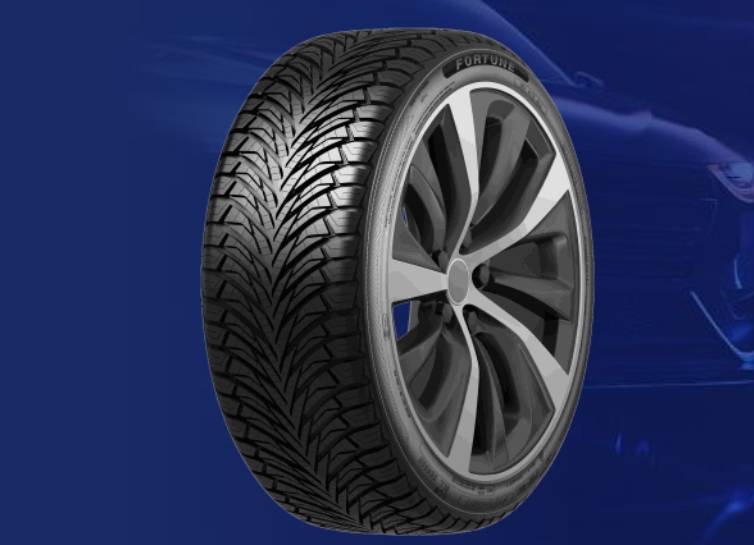

How Often to Rotate Tires and How to Do It


How Often to Rotate Tires and How to Rotate Them?
You’ve just noticed your car pulling to one side or your tires wearing down unevenly—chances are, it’s time for a rotation. Tire rotations are an easy and often overlooked maintenance task that can save you money and improve your car’s performance. Regular rotations help your tires wear more evenly, preventing premature damage and ensuring better handling on the road.
But do you know how often to rotate tires and how to do it? In this blog, we'll explore signs that it’s time for a rotation, and step-by-step instructions for doing it yourself. Keep up with this simple task, and your tires will thank you.
Why Are Tire Rotations Important?
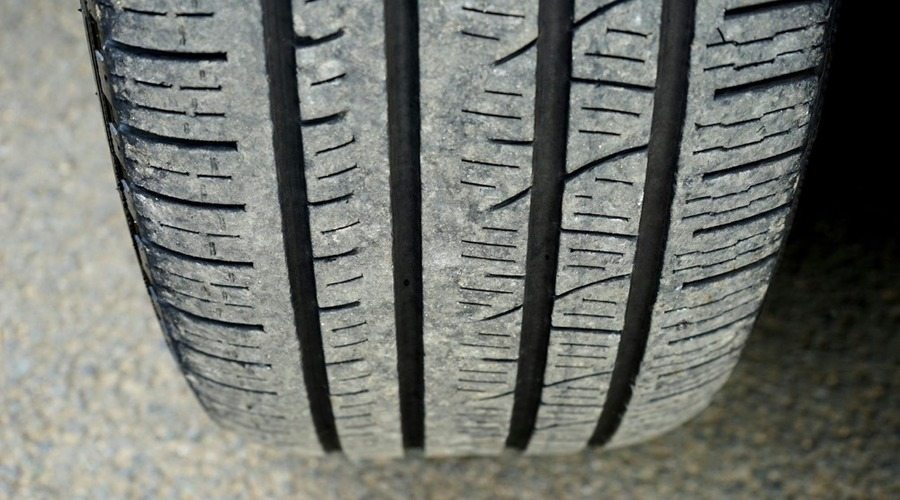
Uneven wear reduces traction, increases hydroplaning risks, and shortens tire lifespan. As your car runs every day, front tires on front-wheel-drive (FWD) vehicles endure stress from acceleration, braking, and steering, leading to faster shoulder wear. At the same time, rear tires on rear-wheel-drive (RWD) cars wear quickly due to power delivery. Even the all-wheel-drive (AWD) systems distribute torque but still create unique wear patterns.
In this case, we need to rotate the tires promptly. Tire rotations counteract uneven wear caused by variations in weight distribution, drivetrain forces, and steering dynamics. Regular rotations can
l ensure balanced tread depth and less road noise;
l enhance grip in most road conditions;
l enhance fuel efficiency by reducing rolling resistance;
l improve ride comfort.
How Often Should You Rotate Your Tires?
Now that you understand why tire rotations are important, the next question is: how often should I rotate my tires? The frequency of tire rotations depends largely on your vehicle type, driving habits, and the specific tire recommendations of your manufacturer. Here’s a breakdown of what to expect.
FWD and RWD Vehicles
For both FWD and RWD vehicles, the standard recommendation is to rotate tires every 5,000 to 7,500 miles. This interval helps mitigate the uneven wear caused by the distribution of weight and drivetrain forces on the tires. By adhering to this rotation schedule, you can maximize their life expectancy and maintain your vehicle’s performance.
AWD Vehicles
For all-wheel-drive (AWD) vehicles, the tire rotation schedule is generally more frequent. Since power is distributed across all four wheels in an AWD system, the tires endure more strain compared to FWD or RWD vehicles. Therefore, it is advised to rotate your tires every 3,000 to 5,000 miles for optimal tire health and vehicle stability. However, the specific interval relies on different brands. You may check for the manual released by your tire manufacturer.
Signs That Your Tires Need Rotation
While learning how often rotate tires is important, there are also a few signs that indicate your tires might need rotation sooner. These include:
l Visual Wear Patterns: If you notice that one side of your tire is more worn than the other, it’s time for a rotation. Some tire manufacturers including FORTUNE Tires advise that the tire with bulges, patches, cracks, and feathering (smooth on one edge, sharp on the other) or one-sided shoulder wear should be replaced.
l Uneven Tread Depth: You may use a tread depth gauge to measure. Differences >2/32” between front/rear indicate urgent rotation.
l Vibrations: Uneven tire wear can cause vibrations while driving, especially at higher speeds. Typically, steering wheel shaking at 50–60 mph suggests front tire cupping or scalloping.
l Steering Problems: If your steering feels off-center or pulls to one side, it could be due to tires that have worn unevenly.
l Noise: Humming or roaring sounds signal irregular tread wear.
l Worsening MPGs: Uneven wear creates extra drag and forces other components to work harder, lowering fuel efficiency.
How to Rotate Your Tires?
Tire rotation methods vary based on your vehicle type. Before getting started, make sure you have the necessary tools: a hydraulic jack, jack stands, lug wrench, torque wrench, and wheel chocks. Here’s a step-by-step guide:
1. Park Safely: First, you may engage the parking brake and chock wheels on level ground.
2. Lift the Vehicle and Secure: Before you remove the tire, you should raise one corner at a time with a jack, then place it on stands.
3. Loosen Lug Nuts: You may break torque, unscrew the lug nuts, and remove the tires one at a time.
4. Rotate per Drivetrain: For FWD and RWD, you can implement the forward cross method (diagonal rear-to-front). More specifically, you may move the front tires straight to the rear, and cross the rear tires to the front (i.e., rear-left → front-right). For the AWD, you can use an X-pattern (all tires cross). Namely, all tires cross diagonally (front-left → rear-right, front-right → rear-left). This accounts for uniform torque distribution and prevents “sawtooth” tread wear.
5. Reinstall Wheels: After you've done it, you may hand-tighten lug nuts, lower the vehicle, then torque to spec (e.g., 80–100 lb-ft). It is noted that never skip torquing—overtightening damages studs; under-tightening risks wheel detachment.
What Happens if You Don’t Rotate Tires?
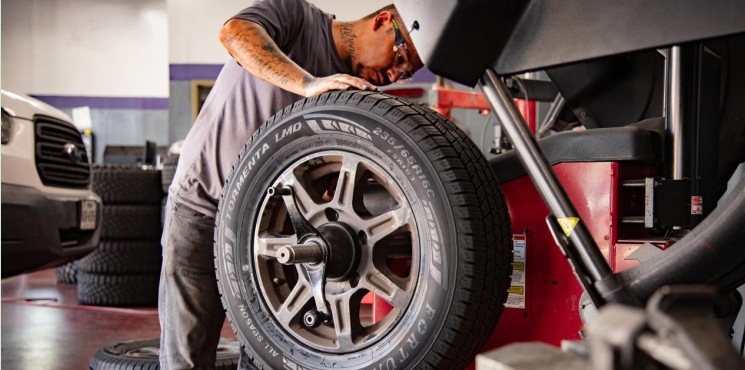
If you fail to rotate the tires within the scheduled time, you risk a variety of issues that can affect both your safety and your wallet:
l Tire Blowouts: Without regular rotations, weak spots develop in the tire, which can cause it to burst unexpectedly. A blowout while driving at high speed can be dangerous, leading to accidents or vehicle control loss.
l Reduced Traction: As tires wear unevenly, their ability to grip the road is compromised, particularly in snow, rain, or icy conditions. A tire with a worn-out tread is more likely to lose traction when you need it most.
l Poor Braking: Uneven tires result in inconsistent braking performance. A worn tire on one side can cause longer stopping distances, making emergency braking situations riskier, especially when driving on slick surfaces.
l Skidding and Hydroplaning: Tires that aren’t rotated regularly are more prone to wear patterns that cause them to skid. In wet conditions, it leads to hydroplaning, where your tires lose contact with the road, making it difficult to control the vehicle.
l Wheel Damage: When tires wear unevenly, they create an imbalance, putting extra stress on the wheels. Over time, this can result in bent or cracked wheels, leading to costly repairs.
l Suspension Damage: Uneven tire wear puts additional strain on your vehicle's suspension system. This can cause premature wear on parts like struts and shocks.
l Brake Pad Deterioration: Similarly, it also affects how your vehicle’s braking system functions, causing some brake pads to wear out faster than others. More frequent brake pad replacements may be needed.
l Premature Replacement: Tires that wear unevenly will need to be replaced much sooner than tires that are properly rotated. You might find yourself needing to purchase new tires before their time, which adds unnecessary costs to your maintenance budget.
Conclusion
To sum up, knowing how often to rotate tires helps with tire longevity, safety, and vehicle performance. Regular rotations ensure better traction and higher fuel efficiency. Now that you’ve learned the basics of tire rotation and the practical steps involved in this guide, you’re ready to keep your tires in top shape for a smoother, safer ride.
FAQs
How often do I really need to rotate tires?
It depends on your vehicle type and driving habits. However, the standard recommendation is every 5,000 to 7,500 miles for FWD and RWD vehicles and every 3,000 to 5,000 miles for AWD vehicles.
Do tires really need to be rotated every 5000 miles?
Yes, especially for AWD vehicles. Regular rotations help prevent uneven wear and ensure optimal vehicle handling and safety.
What happens if I don't rotate my tires?
Failure to rotate your tires can lead to uneven tread wear, poor traction, increased risk of hydroplaning, and reduced vehicle handling. Eventually, this could lead to the need for premature tire replacement.