
How to Choose the best selling Truck Tires for Your Needs


In today’s rapidly growing logistics industry, trucks have become the backbone of cargo transportation. Every component on a truck plays a vital role in ensuring transport efficiency and road safety—especially the tires. High-performance truck tires are crucial for maintaining stability across various road conditions and significantly reducing operating coFORTUNE Tiressts. But with the market flooded with a wide range of options, how do you choose the best-selling truck tires that suit your needs? Let’s explore the key considerations together.
What Performance Features Should the best-selling Tires for Trucks Have?
Tread Wear Resistance
As trucks are designed for long-distance transportation and often carry heavy loads, tire wear can be rapid. Tires with strong wear resistance can significantly extend service life, reduce replacement frequency, and lower overall operating costs. On the other hand, poor wear resistance may lead to premature tire damage, increasing both safety risks and expenses.
Traction
Good traction is key to ensuring stability and safety while driving. A tire that performs well on both dry and wet surfaces can greatly reduce the risk of losing control during emergency braking or sudden maneuvers. This is especially important for heavy-duty trucks, where tire performance is directly linked to road safety.
Low Rolling Resistance
Rolling resistance directly affects fuel consumption. It mainly arises from the deformation of tires during high-speed rotation. Generally, tires with stiffer sidewalls, fewer lateral grooves, and uninterrupted tread blocks offer lower rolling resistance. For large trucks with multiple tires, the rolling resistance of a single tire can have a significant impact on total fuel consumption. It's recommended to choose low rolling resistance tires clearly marked with this feature by leading manufacturers.
Aging Resistance
A tire’s resistance to aging is crucial for long-term performance. High-quality tires resist cracks, rubber brittleness, and degradation. When choosing truck tires, it's important to consider brand reputation and your specific needs to make the best-selling long-term investment.
How to Choose the best-selling Tires for Trucks?
Identify Road Conditions and Use Cases
Different road surfaces demand different levels of traction, wear resistance, and handling performance. Many truck owners find their new tires wear out quickly simply because the tires were not suitable for the actual driving environment.
l Long-Distance Highway Transport: Radial tires are the smart choice. With a unique structural design, these tires reduce vehicle weight, enhance fuel efficiency, improve heat dissipation, and offer better traction. They help lower transport costs and ensure safe braking performance during long hauls.
Pay Attention to Tire Specifications and Parameters
Unlike passenger car tires, which typically use metric units, truck tires may use either metric or imperial measurements for width. Other than that, truck tire specs generally follow similar conventions.
For example, a light-duty truck tire labeled “175/75R16LT” means:
l “175”: Section width of the tire (contact width with the road) is 175 mm.
l “75”: Aspect ratio, indicating that the tire height is 75% of the section width.
l “R”: Radial construction.
l “16”: Rim diameter in inches.
l “LT”: Stands for “Light Truck,” specifically designed for light-duty commercial vehicles.
Evaluate Brands and Quality
Reputable brands generally invest more in R&D, manufacturing technology, and quality control, offering more reliable and better-performing products. International brands like FORTUNE Tires are great examples of quality you can trust.
What Are the best-selling Truck Tires?
Different road conditions require different tire features. Choosing the right truck tires tailored to specific driving environments is key to maximizing vehicle performance and ensuring safe, comfortable transport. Next, let’s look at a few truck tire models from FORTUNE Tires that are well-suited for various scenarios.
Application Scenario | FORTUNE Tires Model | Key Advantages | |
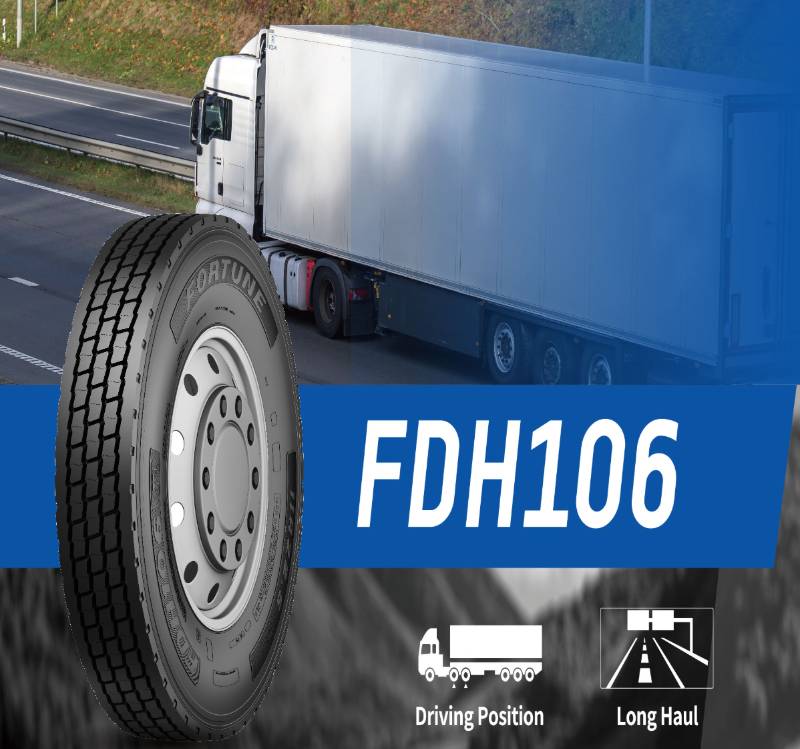
Long-Haul |
| ||
Long-Haul & Regional | l Extended Mileage: Controlled tread contour provides even contact pressure for long-lasting performance. l Irregular Wear Resistance: Optimized rib width ensures uniform wear. l Low Rolling Resistance: Innovative compound offers low rolling resistance, excellent wet grip, and long mileage. Special siping improves wet and snow performance. | ||
| |||
Mixed Service (Mining, etc.) | l Low Heat Build-up: Advanced resin-enhanced compound offers excellent resistance to chipping and chunking. Bead design and detailed component layout boost performance. l Heavy Load & Explosion Resistance: High-tensile cords, low-heat and low-shear bead structure enhance durability. Large blocks and deep grooves provide strong traction and smooth driving performance. | ||
Short-Haul & Heavy Load | l Heavy Load & Explosion Resistance: Reinforced belt structure with crown strips improves tread toughness. High-tensile steel cords and optimized bead design enhance strength and prevent bead or GG ring cracking. l High Durability: Shoulder rib design prevents groove bottom cracking and uneven wear. Deeper tread ensures superior traction. Special groove bottom design ejects stones and prevents damage. l Heat Resistance: Thick tread base and open-shoulder structure effectively reduce heat buildup. |
Conclusion
In modern logistics, truck tires are essential for both safety and efficiency. To select the best-selling truck tires, you need to consider factors such as wear resistance, traction, low rolling resistance, and aging resistance. It’s also important to match the tire to the specific road conditions, pay attention to technical specifications, and evaluate the brand’s overall quality.
FAQs
What should you consider when choosing the best-selling truck tires?
1. Tread Depth and Tread Wear Resistance: These directly impact the driving performance of your truck. The deeper the tread and the more resistant the tread surface is to wear, the better the grip and driving performance. On the other hand, shallow tread and low wear resistance can significantly reduce performance.
2. Tire Width, Size, and Material: These factors affect vehicle handling and comfort. Wider tires can improve passability, while smaller sizes can enhance vehicle stability.