
What Is Tire Siping Functions Pros and Cons Explained


Have you ever paid attention to the tread patterns on your passenger car’s tires? Beyond the longitudinal, lateral, and shoulder grooves, tire siping—those tiny slits cut into the tread—plays a crucial role in both safety and ride comfort. Although they may seem insignificant, these fine cuts can dramatically improve grip on wet, icy, or otherwise challenging surfaces, while also aiding in heat dissipation and vibration damping.
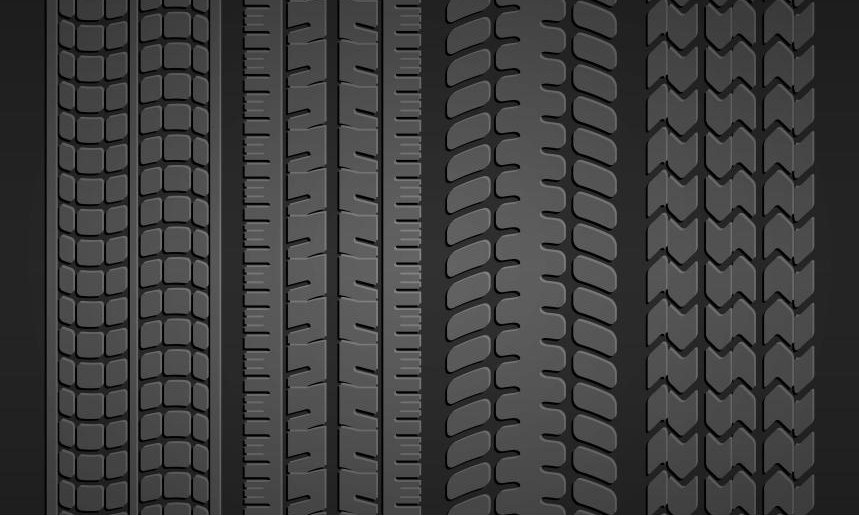
How Are Tire Tread Patterns Constructed?
1. Longitudinal Grooves
When driving on wet roads, a thin layer of water can come between the tire and the pavement, severely reducing both lateral and longitudinal grip and increasing the risk of hydroplaning. The faster you drive and the deeper the standing water, the greater this danger becomes. Wide, straight longitudinal grooves are specifically engineered to channel water away from the contact patch quickly and efficiently, preventing water buildup under the tire and helping maintain stable road contact.
2. Lateral Grooves
Lateral grooves are designed to disrupt the continuous film of water that can form between the tread and the road surface. By breaking up this water layer, these grooves ensure the tire maintains solid, direct contact with the pavement, even when only a thin film of water remains. This feature further reduces the potential for hydroplaning and enhances wet weather safety.
3. Shoulder Grooves
Shoulder grooves sit at the edge of the tread blocks, where the tire meets the sidewall. On slippery surfaces, they efficiently expel water from the edges of the contact patch, significantly boosting grip at the tire’s perimeter. Moreover, many modern designs use variable spacing between shoulder grooves to disrupt resonance and reduce noise generated as the tire rolls—improving overall ride comfort.
4. Tire Siping
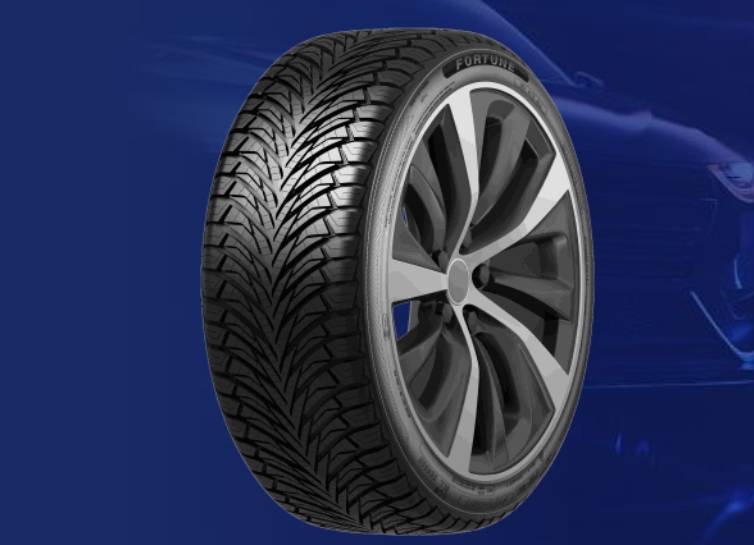
Tire siping refers to the network of fine slits or cuts added across the tread blocks, supplementing the primary longitudinal, lateral, and shoulder grooves. These tiny cuts increase the number of biting edges, which greatly enhances traction on low‑grip surfaces such as wet asphalt, mud, or ice. When a vehicle rolls over bumps or irregularities, the sipes flex and absorb shock, smoothing out jolts and improving ride comfort. During sustained driving, sipes also promote airflow through the tread, helping dissipate heat and thereby extending the tire’s service life.
What Does Tire Siping Mean?
Tire siping is the process of cutting narrow slits into the tread blocks—beyond the main grooves—to create extra gripping edges. This intricate pattern of sipes is a critical part of modern tread design, engineered to improve handling and safety on challenging surfaces by enhancing the tire’s ability to bite into slippery or uneven terrain.
Siping Tires Pros and Cons
Pros
1.Enhanced Traction
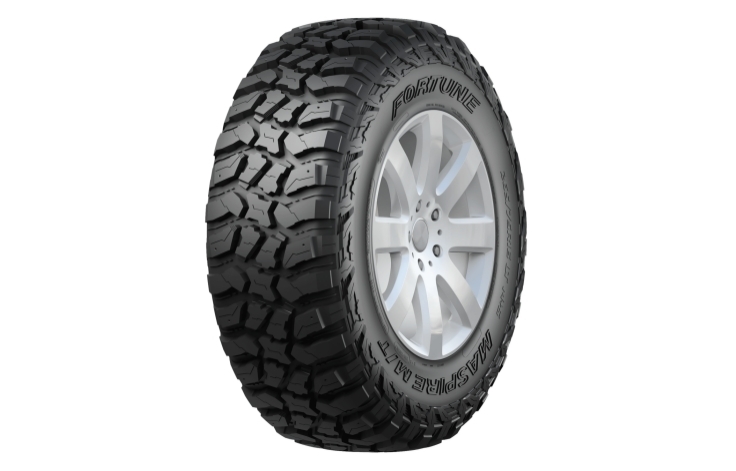
Fine siping creates many additional edges on each tread block, allowing the tire to “bite” into surfaces more effectively. This is especially beneficial on low‑traction roads—wet, muddy, or icy—where traditional grooves might struggle. For instance, FORTUNE Tires' MASPIRE M/T uses aggressive, sawtooth‑style siping combined with reinforced shoulder blocks and 3D sidewall patterns. This design delivers outstanding off‑road traction and robust sidewall protection, ensuring the tire can handle rough terrain while maintaining grip.
2. Improved Comfort
On rough or bumpy roads, the flexibility afforded by numerous sipes allows the tread to deform slightly, absorbing shocks and smoothing out vibrations. This cushioning effect not only enhances passenger comfort but also reduces stress on all parts of the tire—tread, bead, sidewall, and ply layers—minimizing uneven wear and slowing overall tire aging.
3. Aid in Heat Dissipation
Excessive heat is a primary driver of accelerated tire wear and potential failure. While frictional heating is unavoidable, sipes help segment the tread into smaller blocks, promoting airflow through the pattern. This improved ventilation carries heat away more efficiently, lowering tire temperature and protecting the rubber compound from heat related degradation.
Cons
1. Increased Noise
Although individual sipes are small, poorly executed designs or high speed driving can cause air to resonate within the cuts, creating additional tire noise.
2. Reduced Wear Resistance
Narrow, shallow sipes cannot evacuate water or debris as quickly as wider grooves. If sipes become clogged—with mud, stones, or snow—their ability to disperse water and maintain grip diminishes, and concentrated abrasion can accelerate tread wear.
3. Limited Suitability for Specialized Use
Some tires feature siping patterns optimized for specific racing or off road scenarios. While these designs excel under their intended conditions, they may not deliver the same benefits on everyday paved roads.
Conclusion
Every element of a tire’s tread design is key to enhancing driving performance, and tire siping is no exception. Sipes provide unmatched benefits in boosting traction, smoothing out the ride, and extending tire life. Next time you’re behind the wheel, take a moment to examine those intricate sipes on your tires—they’re not just surface details, but the essential “code” that helps keep each journey safe and smooth.
FAQS
How does tire siping improve traction?
Tire siping increases the number of biting edges on each tread block, allowing the rubber to flex and conform to small surface irregularities. This enhances grip by “biting” into the road. Sipes also cut through thin water films, ensuring direct contact between the tread and pavement.
At what point does tread wear require tire replacement?
Check the depth from the top to the bottom of the tread grooves. When the tread wears down to 2/32 inch (1.6 mm), it’s time to replace the tire. Additionally, any tire that has been in service for six years or more should be replaced—even if its tread depth hasn’t yet reached the wear limit.
When replacing car tires, should the tread patterns match?
It’s best to use tires of the same size and tread pattern on the same axle. Mismatched patterns can lead to uneven grip and water evacuation performance, resulting in inconsistent friction during emergency braking—and increasing the risk of fishtailing or rollover.