
What is tire speed rating


Tires bear the weight of a car and transmit the driving force and braking force. They are the cornerstone of driving safety! Among the various aspects of tires, there is an important indicator - Tire Speed Rating, which is closely related to the driving experience and safety of car owners. So, what exactly is the tire speed rating? What does speed rating mean on tires? In this article, through in-depth analysis from multiple aspects, we will lead all car owners to have a detailed understanding of it.
What does tire speed rating mean?
The tires of most modern passenger cars are generally clearly marked with a speed rating, which is an accurate indication of the designed speed potential of the tires. In simple terms, it refers to the maximum speed that a tire can withstand before its performance no longer meets the design requirements. The higher the speed rating, the better the control and handling during high-speed driving. The certified speed rating of tires is represented by letters from A to Z, ranging from 5 km/h (3 mph) to above 300 km/h (186 mph). This is the answer to the question of what is speed rating on tires.However, it is extremely important to note that the speed rating of tires by no means implies that the vehicle can freely drive at this maximum speed without any concerns. Especially when encountering adverse weather such as heavy rain, blizzards or facing poor road conditions like potholes and severe waterlogging, driving at a high speed rashly is extremely likely to cause danger.
Why Was Tire Speed Rating Developed?
Ensure Driving Safety
When driving at high speeds, tires are under great pressure, and intense friction with the ground generates a large amount of heat. If the tires cannot withstand the load brought about by high speeds, dangerous situations such as tire blowouts and delamination are very likely to occur, leading to serious traffic accidents. A clear speed rating allows drivers to know the limits of the tires and avoid potential risks caused by speeding.Match the Vehicle's Performance
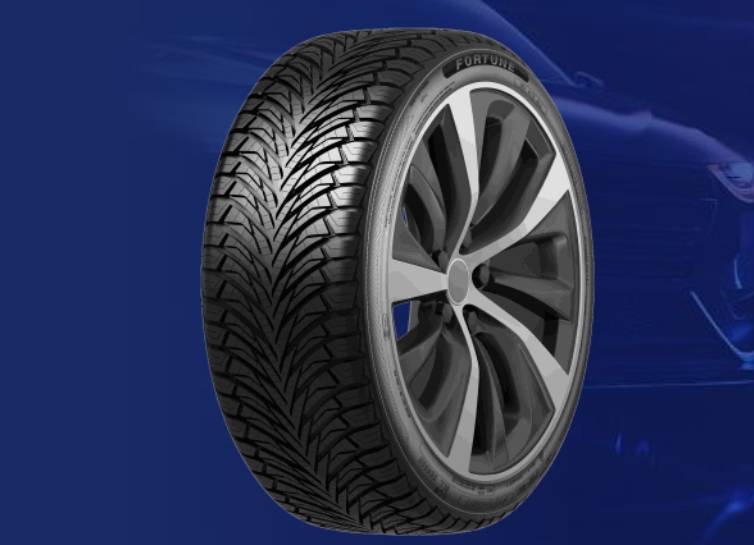
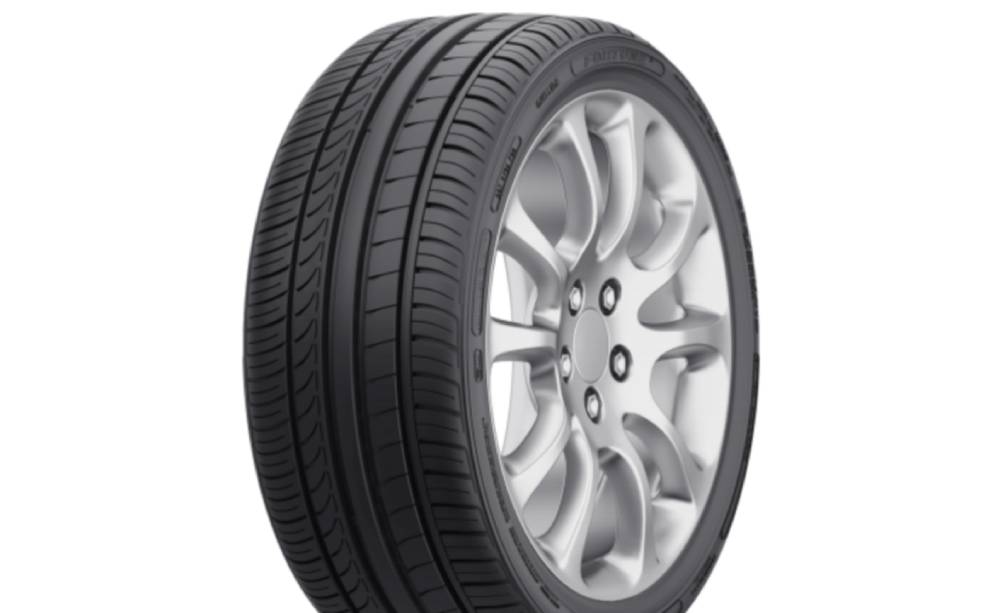
Different vehicle models have different designed speeds and purposes. Sports cars that pursue extreme speeds need to be equipped with tires of high-speed ratings; while ordinary family cars have relatively lower daily driving speeds, and matching tires of corresponding ratings can not only meet the needs but also control costs. This system ensures that tires and vehicles work in coordination to achieve the best performance.For example, owners of mid-to-high-end sedans and sports cars that pursue extreme speeds can choose tires with higher speed ratings, such as the FORTUNE FSR - 701. Its speed rating is in the range of V - Y. It also has excellent dry and wet handling performance, outstanding cornering performance, and good noise control, which can bring a more enjoyable and comfortable driving experience.
How to Find Tire Speed Rating?
You can find the speed rating of a tire in many places, usually in the owner's manual, on the driver's side door jamb, on the glove box door, and on the fuel filler cap. There have been some recent changes in standardization. The speed ratings of all tires include a speed symbol and a load index, which are part of the service description on the tire sidewall.If you are looking at the sidewall of a tire, the speed rating will be the last item in the character sequence of the tire size code. For example, for the FORTUNE FSR-701 with the specification of "215/55ZR17 98Y XL", it indicates that the speed rating of this tire is Y. Tires of the Y rating can travel at a speed of 300 km/h (186 mph).
Tire Speed Rating Chart
SPEED SYMBOLS | ||
Symbol Speed | Speed (km/h) | Speed (mph) |
A1 | 5 | 3 |
A2 | 10 | 6 |
A3 | 15 | 9 |
A4 | 20 | 12 |
A5 | 25 | 16 |
A6 | 30 | 19 |
A8 | 40 | 25 |
B | 50 | 31 |
C | 60 | 37 |
D | 65 | 40 |
E | 70 | 43 |
F | 80 | 50 |
G | 90 | 56 |
J | 100 | 62 |
K | 110 | 68 |
L | 120 | 75 |
M | 130 | 81 |
N | 140 | 87 |
P | 150 | 94 |
Q | 160 | 100 |
R | 170 | 106 |
S | 180 | 112 |
T | 190 | 118 |
U | 200 | 124 |
H | 210 | 130 |
V | 240 | 149 |
W | 270 | 168 |
Y | 300 | 186 |
Conclusion
The tire speed rating is by no means just a simple letter marking. It shoulders the heavy responsibility of ensuring driving safety and optimizing vehicle performance. Understanding and following the tire speed rating is something that every car owner should do. When purchasing tires, one should not only focus on the price and appearance. Instead, it is more important to select tires with a suitable speed rating according to the actual purpose of the vehicle and its designed speed. In daily driving, one should also always pay attention to the vehicle speed to avoid tire failures caused by speeding.FAQs
Do H or T-rated tires last longer?
The service life of tires is not solely determined by the speed rating. Their actual service life depends on various factors such as the driving conditions of the vehicle, driving habits, and tire maintenance. For example, if you often drive on rough, bumpy roads or roads with sharp stones, the wear rate of both H-rated and T-rated tires will accelerate. Aggressive driving behaviors such as sudden acceleration, sudden braking, and frequent sharp turns will also intensify the friction between the tires and the ground and cause uneven force on the tires, leading to more severe tire wear. On the other hand, maintenance measures such as regular tire rotation, maintaining the appropriate tire pressure, and avoiding exposing the vehicle to the sun for a long time can effectively extend the service life of tires.Is it OK to get a lower speed rating on tires?
Generally, it is not recommended. If the original tires of a vehicle are of a higher speed rating, and you replace them with tires of a lower rating, when driving at high speeds, the tires may not be able to withstand the vehicle speed, posing risks such as overheating and tire blowouts, which seriously endanger driving safety. Even if the daily driving speed is not high, it is difficult to ensure that occasional high-speed overtaking, emergency acceleration, and other situations will not exceed the limit of the lower-rated tires. Only when the vehicle's usage scenarios are clearly limited to low-speed and short-distance trips, such as some in-plant operation vehicles, can you carefully consider choosing lower-rated tires after a professional evaluation.What Happens If You Drive Faster Than the Tire Speed Rating?
Once the vehicle speed exceeds the tire's speed rating, the internal structure of the tire will be unevenly stressed, the rubber will heat and soften rapidly, and the strength of the tire body will decrease. First, it will be manifested as poor handling, with the vehicle's steering and braking responses being sluggish. Then, it may be followed by increased tread wear, bulges, or even tire blowouts. In the instant of a high-speed tire blowout, the vehicle is extremely likely to get out of control, triggering a serious collision accident and causing irreparable losses. Therefore, it is essential to strictly abide by the regulations of the tire speed rating to safeguard the travel safety of yourself and others.