
Winter Tire Pressure Check: Your 2025 Ultimate Guide


As the seasons change, it’s crucial to perform regular tire inspections, maintenance, and replacements. In winter, the drop in temperature and road conditions brought on by snow and ice present significant challenges for tires. Therefore, not only do you need to understand what should tire pressure be in winter, but you should also conduct regular winter tire pressure checks, ensure comprehensive tire care, and address any potential safety risks in a timely manner.
Why Does Tire Pressure in Winter Drop and What Are the Risks?
Before diving into winter tire pressure check methods, it’s important to understand how temperature changes affect tire pressure. You may have heard of the principle of thermal expansion and contraction. As the temperature drops, the air molecules inside the tire contract, leaving more space within the tire, causing it to flatten more and lowering the tire pressure.
According to experience, for every 10°C drop in temperature during winter, tire pressure can lose about 0.07 to 0.14 bar (or 1 to 2 PSI). If you live or travel to higher altitudes, the tire pressure drop can be even more significant. This can lead to several risks, including:
(1) Reduced Fuel Efficiency
Every 1 PSI drop in tire pressure reduces fuel efficiency by 0.2%, leading to higher fuel consumption and increased operating costs.
(2) Shortened Tire Lifespan
Improper tire pressure can damage the tires and shorten their lifespan. Both underinflated and overinflated tires cause uneven wear, increasing the risk of tire failure and damage.
(3) Impact on Tire Performance
If winter tire pressure is too low, the tire may not effectively grip the road due to insufficient inflation. This is especially dangerous on slippery, icy roads. Whether braking, turning, or accelerating, performance will be significantly affected, which compromises both safety and driving enjoyment.
How to Effectively Check Winter Tire Pressure
When driving in winter, winter tire pressure checks should be a key part of tire maintenance. It’s recommended to check tire pressure at least every two weeks and adjust the pressure in both the front and rear tires to the ideal range. Here are some tips to help you do this properly:
(1) Ensure Tires Are Cold
Since tires heat up during driving due to friction, causing the pressure to rise, it’s important to check the tire pressure when the tires are cold. For the most accurate reading, check the pressure after the car has been parked for several hours, preferably in the morning.
(2) Understand What Should My Tire Pressure Be in the Winter
There’s no single standard for winter tire pressure. The ideal tire pressure can vary based on vehicle type, driving conditions, and temperature.
For example, for a regular sedan, the winter tire pressure range is typically between 2.3 and 2.5 bar. For SUVs or heavier vehicles, due to their larger weight, the recommended tire pressure is between 2.5 and 2.7 bar to ensure adequate load capacity and driving stability. During full load or long-distance driving, you can slightly increase the pressure by 0.1–0.2 bar.
Additionally, tire pressure can vary when driving on paved roads or on rough, mountainous terrain. If you're unsure about winter tire pressure, refer to your vehicle’s owner’s manual, which will specify the minimum cold tire pressure required for safe driving.

(3) Check the Pressure and Adjust the Inflation
You’ll need a reliable tire pressure gauge and air compressor. To check, attach the pressure gauge to the valve stem and press down firmly until the hissing sound stops.
The tire pressure gauge will show the tire pressure in either PSI or bar. Compare the reading to the recommended value provided by the manufacturer. If the pressure is too high, release some air by pressing the valve. If it’s too low, use an air compressor to inflate the tire until the winter tire pressure falls within the ideal range.
It’s important to repeat this process for each tire to ensure both the front and rear tires meet the winter driving standards.
What Else Should You Do Besides Checking Winter Tire Pressure?
During the cold winter months, it’s important to perform a comprehensive tire check and maintenance. In addition to regularly checking and adjusting tire pressure, you should also pay attention to the following:
(1) Keep Tires Clean
In winter, tires tend to collect snow, ice, and debris, which can affect traction and performance. Therefore, it’s recommended to inspect your tires before and after driving to remove any snow, stones, nails, or other debris to ensure safety and extend tire life.
(2) Regularly Check Tire Wear
The degree of tire wear, whether it is excessive or uneven, directly affects tire performance and safety. You can use a tread depth gauge to check the tread depth regularly. If the tread depth is below the standard, it’s time to replace the tires.
If you notice uneven wear on the front or rear tires or abnormal wear patterns, check if there is an alignment issue or suspension system problem. Refer to your vehicle’s owner’s manual for guidance on wheel alignment and suspension system checks to extend tire life.
(3) Timely Replacement with Suitable Winter Tires
One of the most important tasks before winter arrives is replacing your tires with winter-specific ones. Compared to all-season or summer tires, winter tires are specially designed for winter driving conditions. They ensure vehicle passability and safety, even on icy or snow-covered roads.
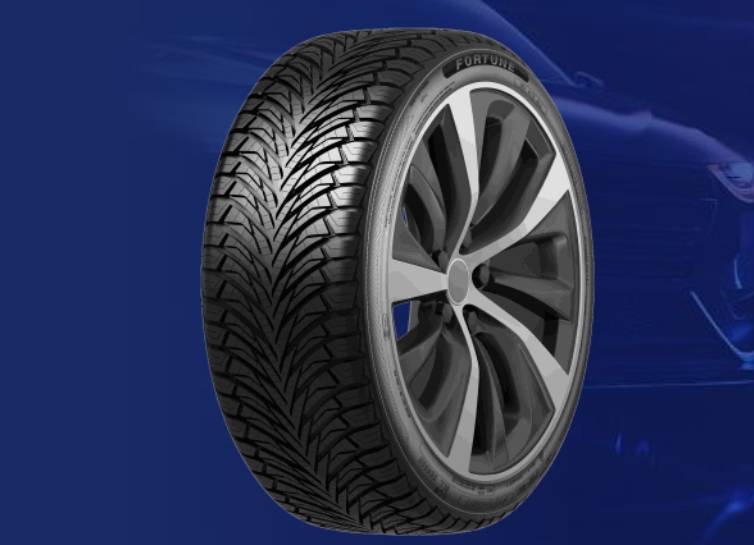
For example, FORTUNE Tires’ POLARO Snow winter tire series is specifically designed for extremely cold environments. Its tread compound helps maintain tire flexibility, providing better traction in low temperatures.
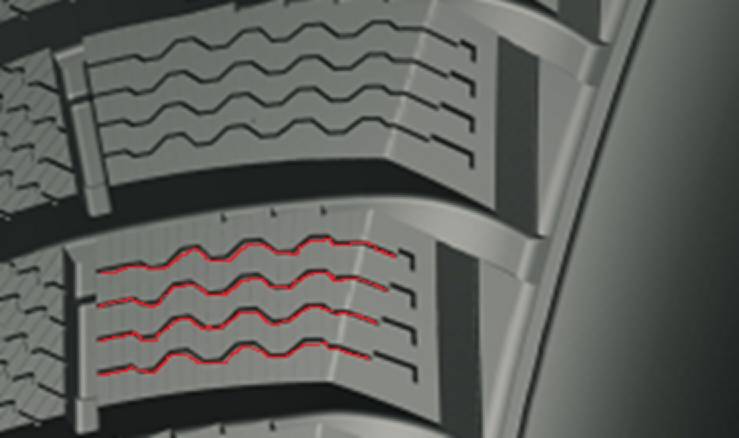
The tread features a central rib block design for enhanced stability at high speeds and excellent handling performance. The zigzag tread pattern increases shoulder block rigidity to prevent uneven wear and optimize steering response. If your vehicle is a passenger car or SUV, consider switching to the POLARO Snow during winter.
Conclusion
Improper tire inspection and maintenance can result in serious consequences, especially in the cold winter months. Issues such as incorrect tire pressure or not switching to winter tires can impact driving safety and overall driving pleasure. Therefore, you should adapt to seasonal changes by performing winter tire pressure checks and other maintenance tasks, as well as equipping your vehicle with the appropriate tires for winter conditions, ensuring a comfortable and safe journey each time.
FAQs
What Should Tire Pressure Be in Winter?
In winter driving, both underinflated and overinflated tire pressure will affect vehicle handling and safety. You should, according to the owner’s manual recommendations, regularly check your tire pressure and adjust it to the standard range. If you frequently drive on deep, snow covered roads, you can slightly increase the pressure above the standard value.
What Precautions Are There for Checking Winter Tire Pressure?
When checking winter tire pressure, the key is to strictly follow the cold tire pressure reference values provided in your owner’s manual or on the driver side door placard. Determine whether the current pressure is too low or too high, and adjust it into the standard range. At the same time, develop a good habit of checking regularly—at least once every two weeks.
Should Winter Tires Use Lower Pressure?
The answer is naturally: No! Winter tires are designed for use in cold winter conditions, and low temperatures will already cause tire pressure to drop naturally. Therefore, drivers should regularly check tire pressure and top off tires according to the standard pressure recommended by the vehicle manufacturer. Deliberately running at lower pressure can impair tire performance and shorten tire life. Of course, tire pressure shouldn’t be set too high either—just keep it within a reasonable range.